Air Freight vs Sea Freight: The Ultimate Guide for Shipping Heavy Equipment Parts in 2025
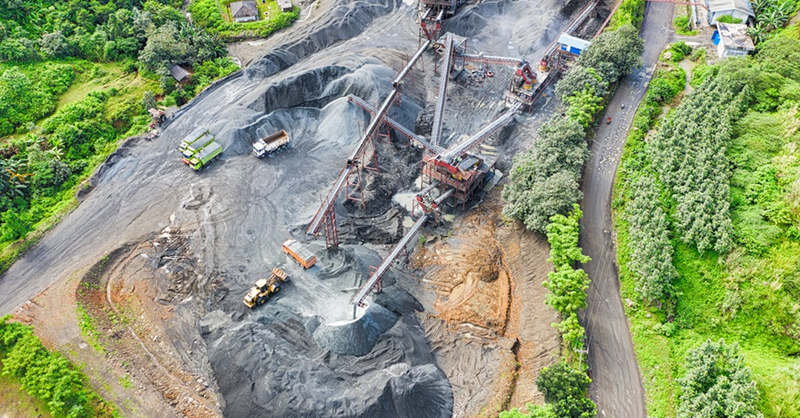
When it comes to shipping Mining Machinery Parts, Road Construction Parts, and Wheel Loader Components, choosing the right freight method can make or break your business. In this comprehensive guide, we’ll dive into the nitty-gritty of air freight vs sea freight, helping you make the best decision for your heavy equipment parts shipping needs.
The Shipping Dilemma: Why Your Mining Machinery Parts Aren’t Arriving on Time
Let’s face it – you’ve probably been scratching your head wondering why your mining machinery parts or road construction parts are always delayed. Well, buckle up, because we’re about to uncover the three most common mistakes that’ll have you facepalming:
1. Choosing the wrong shipping method: Many folks automatically opt for sea freight because it’s cheaper, without considering the urgency of their wheel loader components.
2. Ignoring transit times: Did you know that according to recent data from FreightWaves, sea freight from China to the US can take up to 30-40 days, while air freight takes just 3-5 days?
3. Overlooking hidden costs: Sure, sea freight looks cheaper on paper, but have you factored in storage costs and potential production delays?
Last year, a client shipping mining machinery parts from Germany to Australia chose sea freight to save money. The result? A two-month delay that cost them a lucrative contract. Don’t let that be you!
Cracking the Code: How to Choose Between Air and Sea Freight for Your Heavy Equipment Parts
Alright, let’s get down to brass tacks. Here’s how you can make the right choice for shipping your mining machinery parts, road construction parts, or wheel loader components:
1. Assess your timeline: If you need those parts ASAP, air freight is your best bet. According to a recent study by Freightplus, air freight can be up to 12 times faster than sea freight for heavy machinery parts.
2. Calculate total costs: Don’t just look at the upfront price. Use this formula: Total Cost = Freight Cost + Storage Cost + Potential Lost Revenue from Delays
3. Consider your cargo: Bulky mining machinery parts might be better suited for sea freight, while smaller, high-value wheel loader components could go by air.
4. Check seasonal factors: During peak seasons, sea freight rates can skyrocket. Always check current rates using tools like Freightos Baltic Index.
5. Evaluate environmental impact: If your company has sustainability goals, sea freight generally has a lower carbon footprint per ton of cargo.
The Secret Sauce: Maximizing Efficiency in Heavy Equipment Parts Shipping
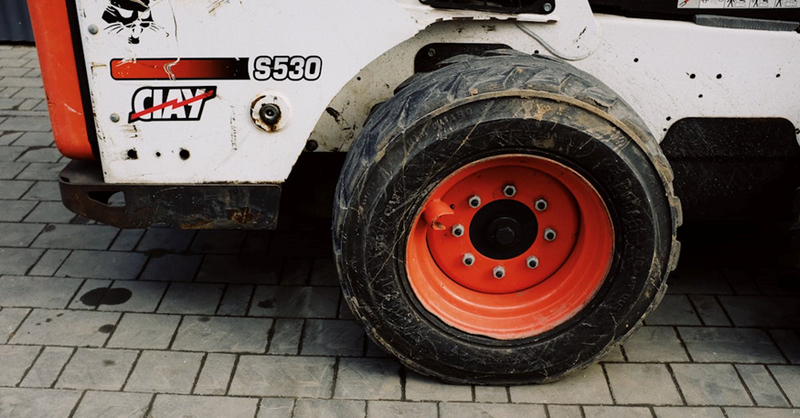
A forklift loading cargo onto a plane
Now that you’ve got the basics down, let’s dive into some pro tips for shipping your mining machinery parts and road construction parts like a boss:
1. Consolidate shipments: Group your wheel loader components with other parts to fill a container and save on sea freight costs.
2. Use air freight for critical parts: Identify which components are crucial for operations and ship those by air to minimize downtime.
3. Negotiate with freight forwarders: Don’t be shy – ask for volume discounts if you’re shipping large quantities of mining machinery parts regularly.
4. Invest in proper packaging: Proper crating can prevent damage during transit, saving you headaches and money in the long run.
5. Track your shipments: Use real-time tracking tools to stay on top of your road construction parts’ journey.
Avoiding the Pitfalls: Common Mistakes in Shipping Heavy Equipment Parts
Listen up, because this is where things get real. Here are three mistakes that’ll have you kicking yourself if you’re not careful:
1. Underestimating customs clearance: Delays in customs can negate the speed advantage of air freight for your mining machinery parts.
2. Ignoring insurance: Skimping on insurance for high-value wheel loader components is a recipe for disaster.
3. Overlooking packaging requirements: Different freight methods have different packaging needs. Don’t assume one size fits all!
A client shipping road construction parts from the US to Brazil learned this the hard way when their improperly packaged goods were held up in customs for weeks. Don’t let that happen to you!
The Future of Freight: Emerging Trends in Mining and Construction Equipment Shipping
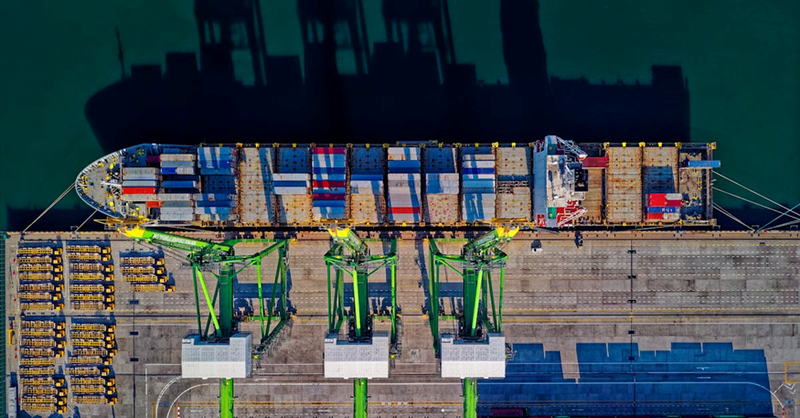
A modern cargo port with cranes
Stay ahead of the curve with these upcoming trends in shipping mining machinery parts and road construction parts:
1. Blockchain technology: Platforms like TradeLens are revolutionizing supply chain transparency.
2. AI-powered logistics: Machine learning algorithms are optimizing routes and predicting delays for wheel loader components.
3. Sustainable shipping: Look out for eco-friendly options like biofuels and electric vehicles in the freight industry.
4. Drone delivery: While not yet mainstream, drones could revolutionize last-mile delivery for small mining machinery parts.
5. 3D printing: On-demand manufacturing could reduce the need for shipping certain road construction parts altogether.
Wrapping It Up: Making the Right Choice for Your Heavy Equipment Parts
At the end of the day, choosing between air freight and sea freight for your mining machinery parts, road construction parts, or wheel loader components boils down to your specific needs. Consider your timeline, budget, and cargo characteristics to make the best decision.
Remember, there’s no one-size-fits-all solution. Sometimes, a combination of air and sea freight might be your best bet. As experts at Turkish Goods suggest, prioritize your needs and choose accordingly.
Want to dive deeper into optimizing your heavy equipment parts shipping? Check out our comprehensive guide on efficient logistics for mining and construction equipment.
FAQ Section:
Q: How much does it cost to ship mining machinery parts by air vs sea? A: Costs vary widely depending on size, weight, and distance. Generally, air freight can be 5-10 times more expensive than sea freight. However, for time-sensitive shipments of mining machinery parts, the speed of air freight might justify the cost.
Q: What’s the average transit time for shipping road construction parts internationally? A: Transit times vary, but typically, sea freight takes 20-40 days, while air freight takes 1-5 days. For road construction parts, consider the urgency of your needs when choosing between the two.
Q: Are there any restrictions on shipping wheel loader components by air? A: Yes, there are restrictions on shipping certain hazardous materials by air. Always check with your freight forwarder about specific regulations for wheel loader components, especially if they contain batteries or flammable materials.
Ready to optimize your heavy equipment
parts shipping? Contact us for
a free consultation and get our exclusive 2025 Mining and Construction Parts
Shipping Guide!