Mechanical seal technology and application
Mechanical seal technology is a kind of sealing technology widely used in various industrial fields, mainly used to solve the sealing problem between the rotating shaft and the body. The following is a detailed discussion of mechanical seal technology and application:
First, the basic principle of mechanical seal
Mechanical seals mainly rely on elastic elements (such as springs) to pre-tighten the dynamic and static ring end seal pairs and press the medium pressure and elastic element pressure to achieve seal. When the host is full of pressure media and starts to work, the sealing end face will produce a closing force, so that the sealing surface can achieve a reasonable specific pressure, so as to achieve the sealing of the fluid.
Second, the composition of mechanical seals
Mechanical seals are generally composed of the following four parts:
A pair of seal end faces: composed of a stationary ring and a rotating ring, sometimes called a friction pair, is the core part of the mechanical seal.
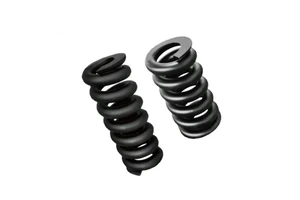
Compensation buffer mechanism: mainly elastic components (or magnetic components), used to provide the compression force required for sealing the end face.
Auxiliary sealing mechanism: includes a dynamic ring auxiliary sealing ring and a static ring auxiliary sealing ring, which is used to prevent the leakage of the medium along the seal end clearance.
Transmission mechanism: The mechanism that rotates the moving ring and shaft together.
Three, the type of mechanical seal
According to its working principle and structural characteristics, mechanical seals can be divided into two categories: contact mechanical seals and non-contact mechanical seals.
Contact mechanical seal: The seal end face remains in contact when working, and relies on the tight fit of the friction pair to achieve the seal. This sealing form has the characteristics of simple structure and good sealing, but the wear of the friction pair is larger.
Non-contact mechanical seal: The seal end face maintains a certain gap when working, and does not contact directly. This sealing form has the characteristics of low friction power consumption and long service life, but the sealing performance is relatively poor. Among them, the dry gas seal is a typical non-contact mechanical seal, which relies on a few microns of gas film lubrication to achieve the seal.
Fourth, the application of mechanical seals
Mechanical seals are widely used in a variety of applications requiring rotary shaft seals, such as pumps, compressors, reactors and so on. Specific application areas include:
Pump industry: Mechanical seals are used in pumps to prevent pump leakage, especially in high pressure and high temperature environments, mechanical seals can provide reliable sealing effect.
Chemical industry: In the chemical industry, mechanical seals are often used to prevent chemical leakage and corrosion, to protect the safety of equipment and the environment.
Oil and gas industry: Mechanical seals are used in the oil and gas industry to prevent oil and gas leaks and reduce environmental pollution and safety accidents.
Food and beverage industry: In the food and beverage industry, mechanical seals are used to protect food and beverages from external contamination and ensure the quality and safety of products.
Pharmaceutical industry: In the pharmaceutical industry, mechanical seals are used to prevent drug contamination and cross-contamination, ensuring the purity and safety of drugs.
5. Selection and maintenance of mechanical seals
In the selection, it is necessary to choose the appropriate mechanical seal type and material according to the nature of the medium, working pressure, temperature and the speed of the shaft. In the process of use, it is necessary to check and maintain the mechanical seal regularly, including cleaning the sealing surface, replacing the wear parts, adjusting the compression force, etc., to ensure the normal operation of the mechanical seal and extend the service life.