Hydraulic system fault diagnosis and removal
The fault diagnosis and removal of hydraulic system is an important link to ensure the stable operation of hydraulic system. The following is a detailed discussion of hydraulic system fault diagnosis and elimination:
First, the characteristics of hydraulic system failure
In different stages of hydraulic system operation, its fault characteristics are different, but common fault characteristics include:
Joints, fasteners and other places leak seriously.
The speed is unstable, which may be caused by oil contamination, blockage of damping holes, or stuck spool.
The pressure is unstable or the action is not flexible, which may be caused by the failure of the relief valve, the failure of the hydraulic pump or the change of oil viscosity.
Hydraulic parts and pipelines into the internal dirt, resulting in the valve core stuck or inflexible movement.
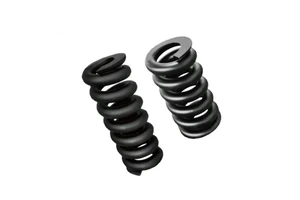
Leakage or misinstallation of springs or other parts within hydraulic components, resulting in the system can not work properly.
The hydraulic component processing quality is poor or the installation quality is poor, resulting in the spool action is not flexible or leakage.
Two, hydraulic system fault diagnosis methods
Hydraulic system fault diagnosis methods can be divided into simple diagnosis and precision diagnosis.
Simple diagnostic method
Simple diagnosis method is mainly maintenance engineers and technicians use simple diagnostic instruments and personal practical experience to diagnose the fault of the hydraulic system. Specific simple diagnostic techniques include the following:
Observation: Observe the actual working condition of the hydraulic system, including six aspects such as speed, pressure, oil, leakage, vibration and product. For example, check whether there is an abnormal change in the movement speed of the actuator, observe the pressure size and fluctuation of each pressure measurement point in the hydraulic system, observe whether the oil is clean, deteriorated, and whether the oil surface is foam.
Auditory judgment: Determine whether the working state of the hydraulic system is normal by hearing. For example, listen to whether the noise of the pump and hydraulic system is too large, whether the pressure elements such as the relief valve, the sequence valve, etc., are screaming, and whether the hydraulic cylinder piston has the sound of hitting the bottom of the cylinder.
Touch: By touching the moving parts to judge their working status. For example, touch the temperature of the surface of the hydraulic device, fuel tank and valve element housing to check whether there is excessive temperature rise; Touch the vibration of moving parts and pipes by hand to check whether there is high-frequency vibration; And whether the hand to touch the workbench to produce crawling phenomenon.
Olfactory judgment: Through the sense of smell to determine whether the oil is smelly and deteriorated, whether the rubber parts emit special odor due to overheating.
Access and inquiry: check the fault analysis and repair records in the technical files of the equipment, check the daily inspection and inspection card and shift records. At the same time, communicate with the equipment operator to understand the usual operating conditions of the equipment, such as whether the hydraulic system is working normally, whether the hydraulic pump has abnormal phenomena, the time of hydraulic oil replacement and whether the filter screen is clean.
Precision diagnostic method
For complex fault situations, more sophisticated diagnostic techniques are required. This usually includes a comprehensive inspection and testing of the hydraulic system using professional hydraulic testing instruments and equipment. For example, the flow meter can be used to detect whether the flow of the hydraulic system is normal, and the pressure gauge can be used to detect whether the pressure of the hydraulic system is stable. At the same time, it is also necessary to combine the hydraulic system schematic diagram to carry out logical analysis of the hydraulic transmission system failures or adopt causal analysis and other methods to eliminate one by one.
Three, the hydraulic system troubleshooting method
According to the specific cause of the hydraulic system failure, the corresponding troubleshooting method can be taken. Here are some common troubleshooting methods:
Leakage failure: Leakage is one of the common failures of hydraulic systems. For leakage faults, check and replace aging seals, tighten loose threads, and replace worn pipes. At the same time, it is also necessary to pay attention to strengthening the groove size design of the seals and the surface roughness treatment of the joint surface to reduce the amount of leakage.
Noise and vibration failure: Noise and vibration failure may be caused by hydraulic pump failure, pump suction air, tank level is too low, or overload valve regulation. For this kind of failure, it is necessary to check the working state of the hydraulic pump, adjust the setting value of the overload valve, and ensure that the liquid level of the tank is within the specified range. In addition, the noise and vibration can be reduced by thickening the pipe, shortening the pipe, setting up the buffer device and installing the bag accumulator.
Oil temperature is too high or too low fault: oil temperature is too high or too low will affect the normal work of the hydraulic system. For the oil temperature is too high fault, you can check the working state of the cooler, replace the appropriate hydraulic oil and adjust the set pressure of the system. For the failure of the oil temperature is too low, the hydraulic oil with lower viscosity can be replaced and the cooling effect of the cooler can be strengthened.
Oil contamination failure: Oil contamination can lead to increased wear, performance degradation and even failure of hydraulic system components. For oil contamination failures, it is necessary to install a suitable filtration device and replace the oil regularly to maintain the cleanliness of the oil. At the same time, it is also necessary to avoid the use of different brands and models of hydraulic oil mixing, so as to avoid chemical reactions leading to deterioration of the oil.
Four, hydraulic system maintenance and maintenance
In order to reduce the occurrence of hydraulic system failure and extend its service life, it is necessary to carry out regular maintenance and maintenance of hydraulic system. Here are some common care and maintenance measures:
Regular inspection and replacement of hydraulic oil: regularly check the cleanliness and viscosity of hydraulic oil and other performance indicators, and timely replacement of hydraulic oil according to the actual situation to maintain its good lubrication and cooling performance.
Cleaning and replacing the filter: Regularly clean or replace the filter to remove impurities and contaminants in the oil and maintain the cleanliness of the hydraulic system.
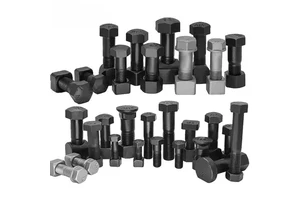
Check and tighten the connectors: Check and tighten the connectors of the hydraulic system regularly, such as bolts and nuts, to prevent loosening and leakage.
Inspection and replacement of seals: Regular inspection and replacement of aging seals to prevent leakage and contamination.
Keep the system clean and dry: Keep the hydraulic system and its surrounding environment clean and dry to prevent dust, moisture and other contaminants from entering the hydraulic system.