Transmission component maintenance and maintenance
Transmission components are crucial components of mechanical equipment, and their performance directly affects the overall operating efficiency and reliability of the equipment. Therefore, it is very important to maintain and maintain the transmission components. The following is a detailed discussion of the maintenance and maintenance of the transmission components:
I. Overview of transmission components
Transmission components mainly include gear, belt, chain, bearing, clutch, transmission, drive shaft, universal joint and so on. They are responsible for transferring power from the engine to the wheels or other working parts, ensuring the proper operation of the equipment.
Second, the importance of maintenance and maintenance of transmission components
Improve equipment reliability: Regular maintenance and maintenance of transmission components can detect and eliminate potential faults in time to improve equipment reliability and stability.
Extended service life: Good maintenance and maintenance can slow the wear rate of transmission components, extend their service life and reduce replacement costs.
Improve work efficiency: Keeping transmission components clean, lubricated and tightened reduces friction and resistance and increases the efficiency of equipment operation.
Ensure safe production: Failure of transmission components can lead to equipment shutdown, damage and even casualties. Therefore, maintenance and maintenance is an important measure to ensure safe production.
3. Specific measures for the maintenance and maintenance of transmission components
1. Check and replace lubricating oil regularly
Check the oil level: Check the lubricating oil level of the transmission components regularly to ensure sufficient oil. Low oil levels can result in poor lubrication and accelerate component wear.
Change the lubricating oil: Change the lubricating oil regularly as recommended by the equipment manufacturer. Use clean, qualified lubricants and avoid expired or inferior lubricants.
2. Cleaning and lubrication
Clean the transmission parts: clean the surface and interior of the transmission parts regularly to remove oil, dust and impurities. Use special cleaning agents to avoid corrosive cleaning agents such as strong acid and alkali.
Lubricate the transmission parts: After cleaning, lubricate the transmission parts. Use suitable lubricants, such as lubricating oil, grease, etc., to reduce friction and wear.
3. Tighten and adjust
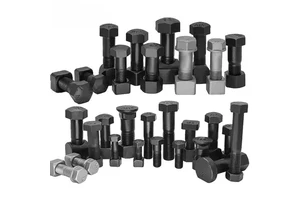
Check fasteners: Check fasteners of transmission parts regularly, such as bolts, nuts, etc., to ensure that they are not loose. If loosening occurs, tighten or replace the parts in time.
Adjust the clearance: Adjust the clearance between the transmission components to ensure that it is within the normal range. Excessive clearance may lead to increased friction between components and accelerate wear.
4. Check and replace wearing parts
Check wearing parts: Regularly check the wearing parts in the transmission components, such as gears, belts, chains, bearings, etc. Found serious wear or damage, should be replaced in time.
Replacement of high-quality parts: When replacing wearing parts, choose high-quality parts to ensure maintenance quality and service life.
5. Pay attention to driving habits and operating norms
Smooth driving: For the transmission parts of vehicles such as cars, smooth driving can avoid the impact of rapid acceleration, sudden braking and other operations on the transmission parts.
Standard operation: Use the equipment according to the operating specifications of the equipment manufacturer to avoid damage to the transmission parts caused by overload operation or improper operation.
6. Regular professional inspection and maintenance
Professional inspection: regularly to the regular auto repair shop or equipment maintenance center for professional transmission parts inspection and maintenance.
Maintenance records: Establish maintenance records of transmission components, and record the time, content, and result of each maintenance. This helps to identify potential problems in time and take appropriate maintenance measures.
4. Precautions for maintenance and maintenance of transmission components
Safety first: In the maintenance and maintenance of transmission components, be sure to follow the safe operation procedures to ensure personal and equipment safety.
Professional guidance: For complex transmission parts maintenance and maintenance work, it is recommended to seek professional guidance and help.
Regular maintenance: According to the equipment manufacturer's suggestions and the actual situation to develop the transmission parts maintenance and maintenance plan, and strictly implement.
Quality awareness: In the selection of lubricants, lubricants, accessories, etc., pay attention to quality, to avoid the use of inferior products to cause damage to the transmission parts.